
Key Highlights
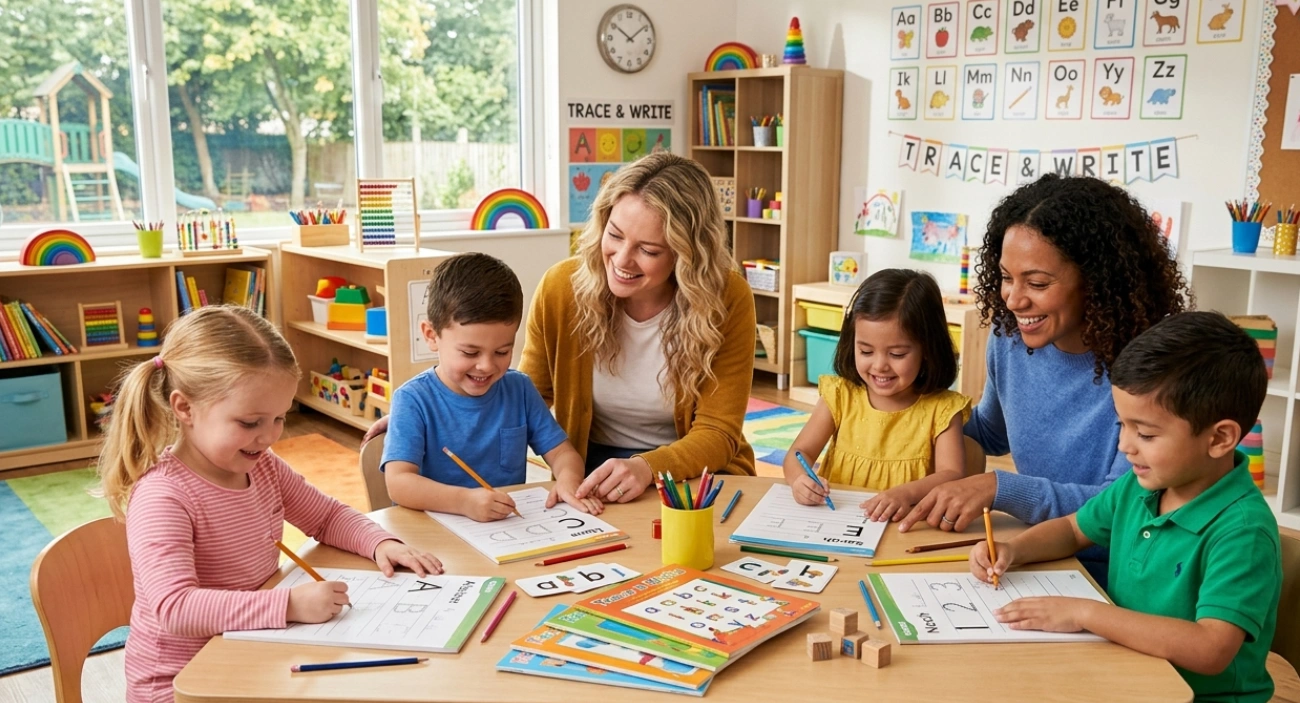
- Good handwriting improves confidence and learning skills.
- Daily practice helps children develop neat writing habits.
- Fun activities make handwriting practice enjoyable for kids.
- Proper pencil grip and posture are very important.
- Parents and teachers can support children with simple routines.
Why Good Handwriting Matters for Kids
- Improve fine motor skills
- Build confidence in school
- Develop better focus and concentration
- Learn spelling and reading more effectively
- Express ideas clearly
Common Reasons Why Kids Struggle with Handwriting
- Incorrect pencil grip
- Weak hand muscles
- Poor sitting posture
- Lack of practice
- Rushing while writing
- Difficulty recognizing letter shapes
1. Teach Proper Pencil Grip
- Simple Pencil Grip Tips
- Hold the pencil using thumb and first two fingers
- Avoid gripping too tightly
- Use triangular pencils for beginners
- Try pencil grips if needed
2. Focus on Correct Sitting Posture
- Ideal Writing Position
- Feet flat on the floor
- Back straight
- Table at comfortable height
- Paper slightly tilted
3. Start with Fine Motor Activities
- Fun Fine Motor Activities
- Playing with clay or playdough
- Threading beads
- Using child-safe scissors
- Coloring and tracing
- Building blocks
4. Practice Letter Formation Slowly
- Start letters from the correct point
- Follow proper strokes
- Practice one letter at a time
- Focus on neatness before speed
For children who are still learning basic letters, combine handwriting practice with fun alphabet learning activities to reinforce letter recognition and formation.
5. Use Handwriting Worksheets
Regular worksheet practice can also give children a simple routine for developing pencil control and letter formation. Learn more about the benefits of printable worksheets for kids and how they can support learning at home.
- Worksheet Ideas
- Alphabet tracing sheets
- Name writing practice
- Sentence tracing pages
- Pattern writing activities
- Cursive practice sheets for older kids
Printable worksheets are especially useful for homeschooling parents and preschool teachers. You can also explore our free preschool worksheets for additional tracing, coloring, and early writing practice.
Fun Handwriting Activities for Kids
Children learn best through play. Adding fun activities makes handwriting practice exciting instead of boring.
Rainbow Writing Activity
- Benefits
- Improves letter memory
- Makes writing enjoyable
- Encourages creativity
Sand Tray Writing
Why It Works
- Builds sensory learning
- Helps letter recognition
- Improves finger movement
Air Writing Game
Dot-to-Dot Letter Practice
- Pencil control
- Hand coordination
- Letter formation
Story Writing with Pictures
- Example Prompts
- A cat playing with a ball
- A rainy day
- A picnic with family
Pre-Writing Activities for Preschoolers
- Drawing straight lines
- Drawing circles and curves
- Tracing simple shapes
- Connecting dots
- Coloring inside large shapes
- Drawing zigzag and wavy lines
Easy Daily Handwriting Routine for Kids
| Activity | Time |
|---|---|
| Finger Warm-Up | 3 Minutes |
| Letter Practice | 5 Minutes |
| Word Writing | 5 Minutes |
| Fun Activity | 5 Minutes |
| Coloring or Drawing | 2 Minutes |
Short routines help children stay focused without feeling overwhelmed.
Mistakes Parents Should Avoid
Avoid These Common Mistakes
- Comparing Children
- Every child develops writing skills at their own pace.
- Forcing Long Practice Sessions
- Too much writing can frustrate children.
- Focusing Only on Perfection
- Praise effort and improvement instead of expecting perfect handwriting immediately.
- Ignoring Left-Handed Needs
- Left-handed children may need different paper angles and writing positions.
Best Supplies for Handwriting Practice
- Helpful Writing Supplies
- Thick pencils for beginners
- Pencil grips
- Wide-lined notebooks
- Dry erase boards
- Fun colored markers
- Printable worksheets
How Teachers Can Support Handwriting Skills
- Classroom Ideas
- Morning tracing activities
- Writing corners
- Chalkboard practice
- Group letter games
- Reward charts for improvement
Conclusion
With the right handwriting activities, proper guidance, and encouraging words, kids can slowly build neat and confident writing skills.
Remember, every small improvement matters. Celebrate progress, stay consistent, and enjoy the learning journey together.
Good handwriting today can build strong learning habits for the future.
Frequently Asked Questions About Handwriting Improvement for Kids
Start with short daily practice sessions, proper pencil grip, good sitting posture, tracing, drawing, and fine motor activities. Encourage progress rather than expecting perfect handwriting immediately.
For young children, around 10–20 minutes of focused practice is usually enough. Short, enjoyable sessions are better than long sessions that make children tired or frustrated.
Tracing, coloring, drawing shapes, playdough activities, sand writing, dot-to-dot exercises, and simple letter formation activities can help develop pencil control and handwriting skills.
Short and enjoyable daily practice can help preschoolers build familiarity with writing movements. However, practice should remain age-appropriate and pressure-free.


VedaPlay Toys Review (2026) | Montessori Wooden Learning Toys
August 29, 2026[…] can further strengthen these abilities by practicing activities from our Improve Kids' Handwriting […]