Why Alphabet Learning Is Important for Preschoolers
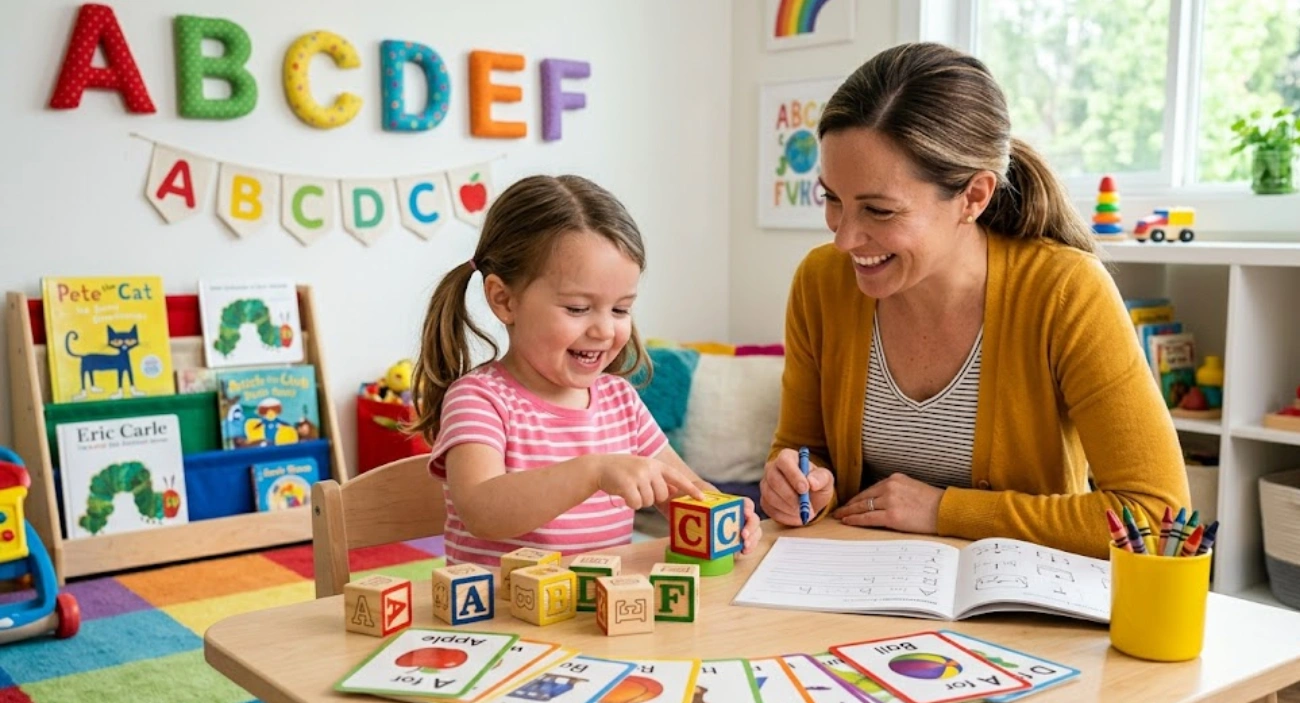
Before children begin reading words and sentences, they first need to recognize letters and understand the sounds they represent. Alphabet learning gives preschoolers an important foundation for early reading, writing, language, and communication.
Alphabet Learning Helps Children:
- Improve language development
- Build early reading skills
- Strengthen memory and concentration
- Develop fine motor skills through writing
- Increase confidence in communication
Most importantly, alphabet learning should feel enjoyable, playful, and pressure-free.
Start with Letter Recognition First
Before teaching writing, help children recognize letters visually. Start with a small group of letters rather than introducing the entire alphabet at once. Show the letter, say its name, point out its shape, and repeat the activity during different parts of the day. Once your child recognizes those letters confidently, gradually introduce new ones.
Easy Ways to Teach Letter Recognition
1. Use Alphabet Flashcards
Flashcards are simple yet useful learning tools for introducing letters to preschoolers.
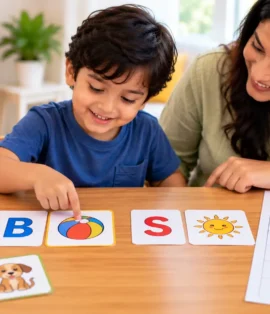
Show one letter at a time and say its letter name clearly. Then introduce its common sound and connect it with a familiar word or picture.
Examples:
- A for Apple
- B for Ball
- C for Cat
Keep flashcard sessions short. Instead of testing your child repeatedly, turn the activity into a conversation by asking questions such as, “What letter is this?” or “Can you find another word that starts with B?”
2. Introduce Uppercase Letters First
Many preschoolers find uppercase letters easier to recognize at first because their shapes can be visually distinct. Once your child becomes comfortable with uppercase letters, gradually introduce lowercase letters and show them as matching pairs.
3. Display the Alphabet Around the House
Children benefit from repeated exposure to letters throughout the day. You can place alphabet materials in learning spaces, bedrooms, or play areas.
You can use:
- Alphabet posters
- Letter magnets
- Wall charts
- Printable worksheets
Seeing familiar letters regularly can help children become more comfortable with their shapes and names.

Make Alphabet Learning Fun Through Play
Preschoolers often learn best when they can move, touch, explore, and play. Interactive alphabet activities can make letter learning more enjoyable and memorable.
Alphabet Treasure Hunt
Hide alphabet cards around the room and ask your child to find specific letters.
Example:
“Can you find the letter M?”
This simple activity encourages letter recognition while adding movement and excitement to learning.
Play Dough Letters
Start with simple letters that your child already recognizes. Help them roll play dough into thin pieces and form the letter. While making it, say the letter name and sound together.
Skills Developed:
- Fine motor skills
- Hand strength
- Letter recognition
- Visual memory
- Pre-writing readiness
Play dough makes alphabet practice hands-on and gives children an opportunity to strengthen the small muscles they will later use for writing.
Alphabet Matching Game
Matching activities can help children connect letters and recognize relationships between different forms.
Try matching:
- Uppercase and lowercase letters
- Letters with pictures
- Letters with familiar objects
Children often enjoy matching games because they feel more like puzzles than formal lessons.


For another hands-on way to practice letter recognition, try our alphabet matching game to help children connect uppercase and lowercase letters through play.
Teach Letter Sounds Along with the Alphabet
Children benefit from learning both the name of a letter and the sound it commonly represents. Start with familiar examples and keep the practice simple.
Learning letter sounds alongside letter names helps build early phonics awareness and prepares children for reading.
Examples:
- A says “ah”
- B says “buh”
- C says “kuh”
Avoid turning phonics into a memorization exercise. Instead, connect letters with familiar words, pictures, and objects whenever possible.
Try a Simple Letter Sound Game
Choose one letter and ask your child to find objects or pictures that begin with its sound.
Example:
B → ball, banana, book
This turns phonics practice into an active game and helps children connect letters with the sounds they hear in everyday words.
Use Songs and Rhymes
Music is an easy and enjoyable way to help preschoolers remember letter names and participate in alphabet learning.
Benefits of Alphabet Songs:
- Improves memory
- Encourages speaking
- Makes learning joyful
- Helps shy children participate
Popular options include:
- ABC songs
- Phonics songs
- Nursery rhymes with letters
You can also create your own silly alphabet songs at home. Don’t worry if your child cannot sing the entire alphabet perfectly. The goal is repeated exposure and enjoyment rather than perfect performance.
Read Alphabet Books Daily
Reading together creates valuable bonding time while supporting language and early literacy development.
Choose:
- Bright picture books
- Interactive alphabet books
- Touch-and-feel books
- Animal alphabet stories
Tips for Reading Time
- Point to letters while reading.
- Ask children to repeat familiar sounds.
- Encourage them to identify letters they already know.
- Ask simple questions about the pictures and story.
Even 10–15 minutes of shared reading each day can provide valuable opportunities for language and alphabet practice.
Use Real-Life Objects to Teach the Alphabet
Children can learn letters more naturally when they connect them with familiar things around them.
Examples:
- A for Apple
- B for Banana
- C for Car
- D for Dog
During grocery shopping, walks, or playtime, point out letters and objects naturally. You can also look for letters on food packages, signs, books, labels, or shopping lists and ask your child to identify familiar ones.
This makes alphabet learning practical, meaningful, and memorable.
Keep Learning Sessions Short
Preschool children usually have shorter attention spans, so long study sessions can make them tired or frustrated.
Ideal Learning Time
- 10–20 minutes per session
- Multiple small activities throughout the day
- Frequent breaks when needed
Short and engaging lessons can work better than long teaching sessions. Follow your child’s interest and stop when they need a break.
Celebrate Small Progress
Every child learns at their own pace. Some children recognize letters quickly, while others need more repetition and encouragement.
Positive Reinforcement Ideas
- Stickers
- Claps and cheers
- Reward charts
- Verbal praise
Simple appreciation can build confidence and motivation. Avoid comparing children with others and focus on the progress your child is making.
Common Mistakes Parents Should Avoid
Teaching Too Many Letters at Once
Introduce a few letters at a time. Too much information can make learning confusing for preschoolers.
Forcing Writing Too Early
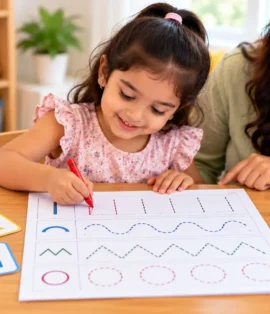
Some children are not developmentally ready for formal writing. Focus on letter recognition, sounds, tracing, drawing, and fine motor activities first.
Making Learning Stressful
Children learn better when they feel safe, happy, and relaxed. Avoid pressure and strict expectations during alphabet practice.
Best Alphabet Learning Tools for Preschool Kids
Simple learning materials can make alphabet practice more interactive and enjoyable.
- Free preschool worksheets
- Alphabet puzzles
- Flashcards
- Magnetic letters
- Alphabet tracing books
- Educational toys
Choose materials that match your child’s age and current learning level. You don’t need to use everything at once.
For more printable and digital learning resources, explore our preschool and kindergarten e-books covering alphabet learning, phonics, early math, stories, and other activities.
Simple Daily Alphabet Routine for Preschoolers
Here is an easy daily learning plan that can be adjusted based on your child’s age and attention span:
| Activity | Time |
|---|---|
| Alphabet Song | 5 Minutes |
| Flashcard Practice | 5 Minutes |
| Letter Tracing or Fine Motor Activity | 10 Minutes |
| Story Time | 10 Minutes |
| Fun Alphabet Game | 10 Minutes |
Consistency matters more than perfection.

Easy Phonics Activities For Beginners | KEL
August 16, 2026[…] Most importantly, phonics boosts confidence in young learners. Phonics works best when children already have some familiarity with letters. You can also help your child build this foundation with these fun ways to teach alphabets to preschool kids. […]
Handwriting Improvement For Kids: Easy Tips & Activities
August 16, 2026[…] children who are still learning basic letters, combine handwriting practice with fun alphabet learning activities to reinforce letter recognition and […]
VedaPlay Toys Review (2026) | Montessori Wooden Learning Toys
August 29, 2026[…] children can continue building literacy skills with our Alphabet Activities for Preschoolers and Teach Alphabets to Preschool Kids […]