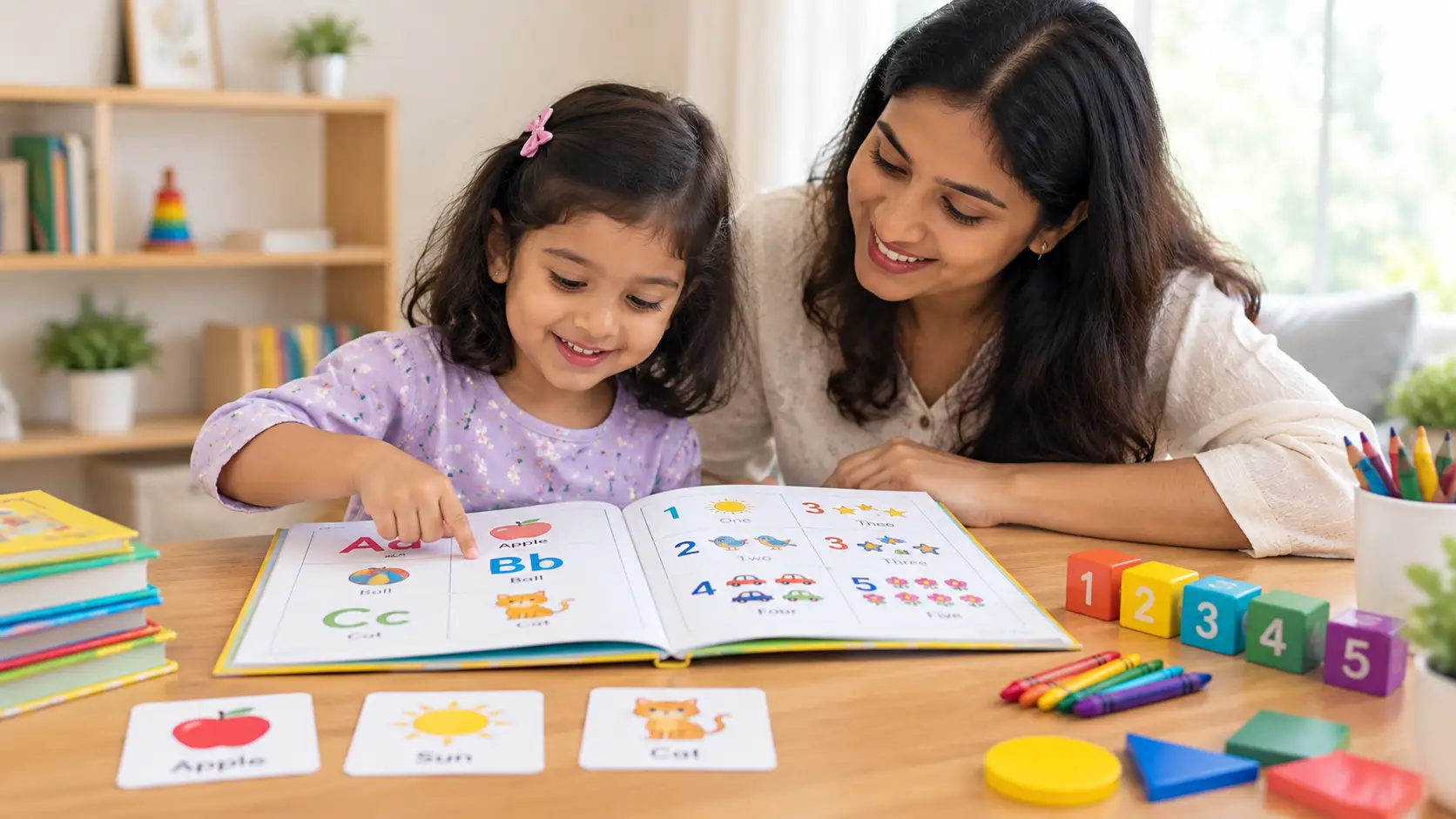
Choosing the right learning books for 4–5 year olds can feel confusing when there are so many options available. Some books focus on letters and numbers, while others introduce phonics, handwriting, colors, shapes, and creative activities.
At this age, children are curious about the world around them. They enjoy asking questions, looking at pictures, recognizing familiar words, counting objects, and trying things independently. The right learning books can help parents build on these interests while making learning enjoyable.
You don't need to teach everything at once or follow a strict school-like routine. A combination of picture books, activity books, simple worksheets, storytelling, and hands-on play can help children develop important early learning skills.
In this guide, we'll explore what children aged four to five can begin learning, which types of books are worth considering, and how parents can use them at home.
Why Are Learning Books Important for 4–5 Year Olds?
Children develop many foundational skills during the preschool years. Learning books provide opportunities to explore these skills through pictures, simple instructions, stories, and activities.
When chosen according to a child's interests and abilities, educational books can help children:
-
Become familiar with letters and letter sounds.
-
Recognize numbers and practise counting.
-
Develop vocabulary and listening skills.
-
Strengthen hand control through drawing and tracing.
-
Explore colors, shapes, patterns, and basic concepts.
-
Practise observation, matching, and problem-solving.
-
Develop confidence in trying simple learning tasks independently.
Books also give parents an easy way to introduce a topic, ask questions, and spend meaningful time learning with their children.
Remember that children develop at different rates. Learning books should encourage exploration and practice rather than create pressure to master every skill before starting kindergarten.
What Should a 4–5 Year Old Learn Through Books?
There is no single checklist that every child must complete at this age. However, several learning areas can help children build a foundation for future learning.
1. Alphabet Recognition and Early Literacy
Children can begin becoming familiar with letters, their shapes, and the sounds associated with them.
Alphabet learning books often use colorful illustrations, familiar objects, and simple activities to introduce letters.
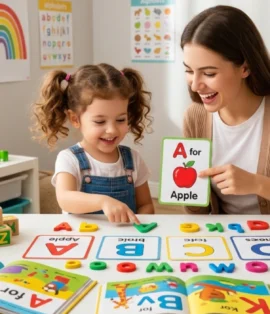
For example, a child might learn that A is for apple, B is for ball, and C is for cat. Parents can reinforce these connections by asking children to identify familiar objects or notice letters in everyday surroundings.
Look for books that include:
-
Uppercase and lowercase letters.
-
Pictures linked to letters and familiar words.
-
Simple letter-matching activities.
-
Opportunities to recognize letters in different contexts.
Avoid expecting children to memorize the entire alphabet immediately. Repeated exposure, conversation, and playful practice can help build familiarity over time.
You can complement alphabet books with alphabet worksheets for kids for additional matching and recognition practice.
2. Phonics and Beginning Sounds
Phonics introduces children to the relationship between letters and the sounds they represent. It can help prepare them for reading words as their early literacy skills develop.
Books for this stage may include rhyming words, sound games, simple phonics activities, and familiar vocabulary.
Parents can make learning more interactive by asking questions such as:
-
What sound can you hear at the beginning of “sun”?
-
Can you think of another word that begins with the same sound?
-
Which pictures show things that rhyme?
Choose resources with clear examples and age-appropriate activities. Children benefit from hearing sounds, looking at pictures, and practising aloud rather than completing written exercises alone.
3. Numbers and Early Math
Learning numbers is more meaningful when children understand that numbers represent quantities.
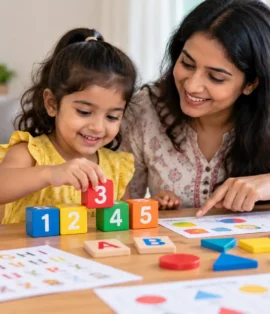
For example, recognizing the number 5 is useful, but counting five blocks and understanding how many objects are present adds another layer of learning.
Look for early math books that introduce:
-
Number recognition.
-
Counting objects.
-
Matching numbers to quantities.
-
Comparing more and less.
-
Basic shapes and patterns.
-
Simple addition concepts using objects or pictures.
You can practise these skills with toys, fruit, blocks, or other safe everyday materials.
For extra practice, explore number worksheets for kids and choose activities that match your child's current abilities.
4. Handwriting and Pre-Writing Skills
Before children write letters and numbers confidently, they need opportunities to develop hand control and coordination.
Pre-writing books and activity books may include straight lines, curved lines, zigzags, tracing patterns, and simple drawing exercises.
These activities can help children practise the movements used in early writing.
When choosing handwriting resources, consider books that offer:
-
Large, easy-to-follow tracing patterns.
-
Simple line and shape exercises.
-
Gradual progression from basic strokes to letters.
-
Plenty of space to practise.
Give your child time to explore pencils, crayons, and drawing materials without expecting every line to be perfect.
You can also use tracing worksheets to provide additional practice in short, manageable sessions.
5. Colors, Shapes, and Everyday Concepts
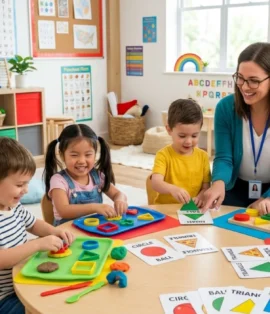
Preschool learning extends beyond reading and mathematics. Children also develop observation and classification skills by noticing similarities, differences, and patterns.
Books about colors, shapes, animals, food, transport, and everyday objects can introduce useful vocabulary while encouraging children to describe what they see.
For example, while looking at a picture book, ask your child to identify a red object, find a circle, or compare two pictures.
These simple conversations encourage children to observe details and express their ideas.
Coloring books can also provide opportunities to practise color recognition and hand control. Explore coloring worksheets for kids for related activities.
6. Vocabulary and Storytelling
Stories help children encounter new words, understand everyday situations, and use their imagination.
Picture books are particularly useful because illustrations provide clues about characters, actions, and events.
When reading together, pause occasionally to ask:
-
What is happening in this picture?
-
How do you think the character feels?
-
What might happen next?
-
Can you tell me what happened in the story?
Allow your child to answer in their own words. There is no need to correct every sentence or expect a detailed retelling.
Regular reading and conversation can help build listening skills, vocabulary, and an interest in books.
7. Thinking Skills and Simple Problem-Solving
Books with matching games, puzzles, sequences, and picture-based challenges can encourage children to observe details and think through simple problems.
Activities might ask children to find an object that does not belong, complete a pattern, match related pictures, or identify what comes next in a sequence.
Choose activities that are challenging enough to encourage thinking without becoming frustrating.
When your child struggles, offer a small hint or work through one example together before allowing them to try again.
Which Types of Learning Books Are Best for 4–5 Year Olds?
Different books support different learning needs. Rather than buying many books that cover the same topic, consider building a small collection with a useful mix of learning areas.
| Type of book | What it helps children practise |
|---|---|
| Alphabet books | Letter recognition and early literacy |
| Phonics books | Letter sounds and beginning reading skills |
| Number books | Counting, number recognition, and quantities |
| Handwriting books | Pre-writing movements and pencil control |
| Activity books | Matching, sorting, puzzles, and observation |
| Picture and storybooks | Vocabulary, listening, and imagination |
| Coloring books | Color recognition, creativity, and hand control |
You do not need to introduce every category at the same time. Start with the areas your child enjoys and gradually add new activities.
Should You Choose Printed Books or Downloadable E-books?
Both printed books and downloadable learning books can be useful.
Printed books are easy to keep on a shelf and revisit during reading time. Downloadable e-books can offer convenient access to learning materials, depending on their format and the device being used.
Printable resources also allow parents to provide paper-based activities when children need additional practice.
When choosing downloadable books, check the file format, age suitability, printing requirements, and whether the resource is free or paid. Select materials that are easy to use and appropriate for your child's learning stage.
If you are looking for downloadable preschool learning resources, visit the Kids Easy Learning preschool and kindergarten e-books page.
Explore the available resources and choose books that align with your child's current interests and learning needs.
How Can Parents Use Learning Books at Home?
You don't need to turn every learning session into a formal lesson. A relaxed routine can make books a natural part of everyday life.
Keep Sessions Short and Flexible
Begin with a few minutes of reading or activity time and adjust according to your child's interest. Some days your child may enjoy a longer story, while on other days a short counting game may be enough.
Read Together Before Expecting Independent Work
When introducing a new book, explore the pictures, explain the activity, and demonstrate an example if needed.
Gradually allow your child to try activities independently when they feel comfortable.
Connect Books with Everyday Activities
If a book introduces numbers, count toys together. If it covers shapes, look for circles and rectangles around the home. If it introduces new words, use them in everyday conversations.
Connecting books with real experiences can make new concepts easier to understand.
Mix Books with Play
Children benefit from different ways of exploring an idea. Follow a counting activity with a game using blocks, or combine a story with drawing and pretend play.
A balanced approach makes learning more varied and engaging.
Encourage Effort Rather Than Perfection
Children may make mistakes, skip activities, or need several attempts before understanding a concept. Offer encouragement and give them time to try again.
The aim is to build curiosity and confidence, not to finish every page as quickly as possible.
A Simple Weekly Learning Plan for 4–5 Year Olds
If you're unsure how to use different books throughout the week, start with this flexible example.
| Day | Learning focus | Suggested activity |
|---|---|---|
| Monday | Alphabet | Explore letters and matching pictures |
| Tuesday | Numbers | Count objects and match numbers to quantities |
| Wednesday | Handwriting | Practise tracing lines, curves, and simple shapes |
| Thursday | Vocabulary | Read a picture book and discuss the story |
| Friday | Thinking skills | Complete a matching game or simple puzzle |
| Saturday | Creative learning | Color pictures or draw familiar objects |
| Sunday | Review and free play | Revisit favorite activities without pressure |
Treat this as a guide rather than a strict timetable. You can repeat activities, skip a day, or follow your child's interests.
Consistency matters more than completing a fixed number of pages.
Find Preschool Learning Books and Worksheets at Kids Easy Learning
Finding suitable learning resources is easier when you know which skills you want to support.
Kids Easy Learning brings together printable learning materials and preschool-focused resources that parents and teachers can explore for early learning practice.
Start with the preschool and kindergarten e-books collection to discover available downloadable learning books.
You can also explore related resources:
-
Alphabet worksheets for letter recognition.
-
Number worksheets for counting and number practice.
-
Tracing worksheets for pre-writing skills.
-
Coloring worksheets for creative activities.
-
Preschool worksheets for additional early learning practice.
Choose a few resources that suit your child's needs rather than trying to cover every subject at once.
Frequently Asked Questions
Children can explore letters, letter sounds, numbers, counting, colors, shapes, vocabulary, storytelling, and early writing skills. The appropriate focus depends on each child's development and interests.
Alphabet books, early phonics books, number books, handwriting books, picture books, and activity books are useful options. Choose books with clear illustrations, age-appropriate instructions, and activities that encourage participation.
Downloadable e-books can provide convenient access to educational content. Parents can select resources that suit their child's needs and, where possible, use printable pages for hands-on practice. For screen-based reading, shared sessions and age-appropriate limits are helpful.
There is no single duration that works for every child. Start with short, enjoyable sessions and adjust based on interest and attention. Include conversation, movement, play, and breaks throughout the day.
Not necessarily. Expectations vary by child and educational setting. Familiarity with letters, counting, listening, and following simple instructions can support school readiness, but children develop these skills at different rates.
Choose topics your child likes, explore pictures together, use games, and connect book activities with real objects. Allow children to choose activities and avoid making every session feel like a test.
Parents can explore the Kids Easy Learning preschool and kindergarten e-books collection for available downloadable learning resources and choose materials suited to their child's age and interests.
Final Thoughts
Learning books can be valuable companions during the preschool years, helping children explore letters, numbers, language, creativity, and early problem-solving.
For children aged four to five, the best starting point is a small collection of age-appropriate books that combines stories, activities, and opportunities for practice.
Read together, ask questions, connect new ideas with everyday experiences, and allow your child to learn at a comfortable pace.
Ready to explore learning resources for your preschooler?
Visit the Kids Easy Learning e-books collection and find resources to support your child's early learning journey.