
Fun Number Activities for Kids at Home – Easy Ways to Make Learning Numbers Exciting
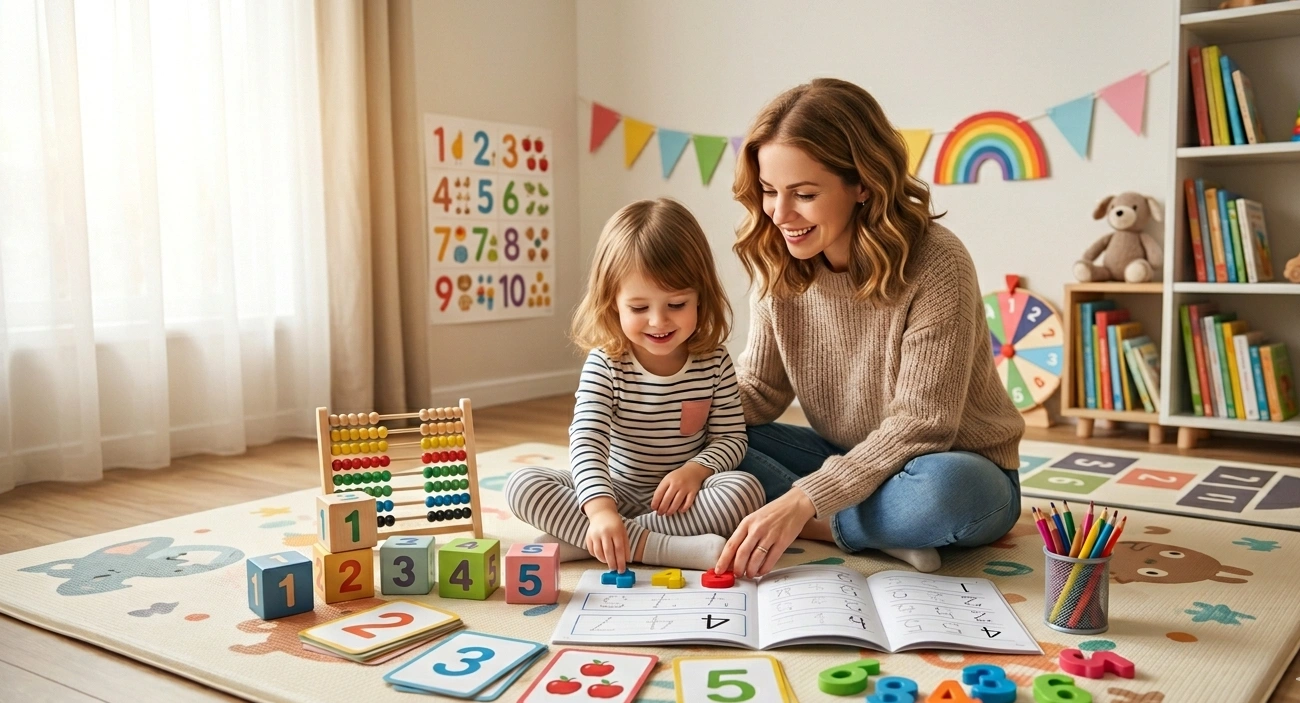
Teaching numbers to young children does not have to feel like classroom work. In fact, kids learn best when they are playing, exploring, and having fun.
Whether you are a parent, preschool teacher, or homeschooling parent, simple number activities at home can build strong early math skills in a happy and stress-free way.
Children naturally enjoy counting toys, sorting objects, and playing games. By turning learning into fun activities, you can help your child develop confidence with numbers from an early age.
In this guide, you will discover easy and exciting number activities for preschoolers and kindergarten kids that can be done using simple household items.
Why Number Activities Are Important for Young Kids
Early number learning helps children develop important thinking and problem-solving skills.
When kids practice counting and recognizing numbers regularly, they improve:
- Number recognition
- Counting skills
- Memory development
- Hand-eye coordination
- Logical thinking
- Confidence in learning
Most importantly, playful learning creates positive feelings about math.
Children who enjoy early math activities are often more comfortable with mathematics later in school.
Easy and Fun Number Activities for Kids at Home
1. Counting Everyday Objects
One of the easiest ways to teach numbers is by using things already available at home.
Ask your child to count:
- Fruits
- Toys
- Pencils
- Blocks
- Spoon sets
- Buttons
For example:
“Can you count 5 apples?”
This simple activity improves counting skills naturally.
Tip for Parents
Start with small numbers for preschoolers and slowly increase difficulty as your child improves.
👉 For more practice with counting and early addition, try our Count and Add game with your child.
2. Number Hunt Game
Kids love treasure hunts and movement-based learning activities.
Write numbers on paper and place them around the room. Then ask your child to find specific numbers.
Example:
- Find number 3
- Find number 7
- Find number 10
You can also ask them to arrange the numbers in order after finding them.
This activity improves:
- Number recognition
- Focus
- Memory
- Physical movement
👉 Once your child is comfortable recognizing numbers, you can introduce simple number pattern games to build early logical thinking.
3. Fun Counting with Snacks
Snack time can become learning time.
Use healthy snacks like:
- Grapes
- Crackers
- Carrot sticks
- Nuts
- Biscuits
Ask children to count before eating.
Example questions:
“Can you give me 4 crackers?”
“How many grapes are left?”
Kids enjoy this activity because learning feels rewarding and interactive.
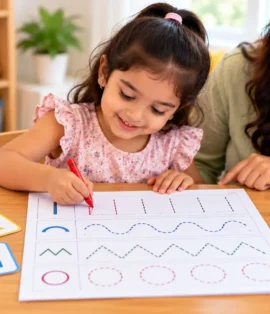
4. Number Tracing Activity
Writing numbers helps children improve fine motor skills and number memory.
You can let kids trace numbers using:
- Worksheets
- Sand trays
- Flour plates
- Finger painting
- Chalkboards
This sensory learning method is especially useful for preschool learners.
Make It More Fun
Use colorful crayons or stickers after each completed number.
Positive encouragement keeps kids motivated.
5. Hopscotch Number Game
Hopscotch is a classic outdoor game that also teaches numbers.
Draw numbers on the floor using chalk and ask your child to jump on the correct number.
You can say:
- “Jump to number 2!”
- “Jump to number 8!”
This combines:
- Physical activity
- Number learning
- Listening skills
- Coordination
Kids learn faster when movement is included.
6. Number Matching Activity
Write numbers on paper cards and match them with object quantities.
Example:
- Card with number 5 → Match with 5 blocks
- Card with number 2 → Match with 2 pencils
This helps children understand number value instead of only memorizing symbols.
Creative DIY Number Activities for Preschoolers
Number Craft Ideas
Art activities make learning exciting for young children.
Simple craft ideas include:
- Button number art
- Cotton ball counting
- Sticker number matching
- Paper plate number wheels
These activities improve creativity while teaching math basics.
Building Numbers with Clay
Playdough and clay activities are excellent for hands-on learning.
Ask your child to create numbers using clay shapes.
Benefits include:
- Better finger strength
- Improved number memory
- Sensory development
- Creative learning
This activity is especially useful for kindergarten kids.
Best Tips for Teaching Numbers at Home
Keep Learning Sessions Short
Young children have short attention spans.
Try keeping activities between:
- 10 to 20 minutes
- Short sessions help children stay interested and focused.
- H3: Celebrate Small Successes
- Simple praise can build confidence quickly.
Say things like:
“Great counting!”
“You found the right number!”
“Amazing job writing number 5!”
Positive encouragement makes children excited to learn again.
Use Daily Routines for Learning
Numbers are everywhere in daily life.
Teach counting during:
- Cooking
- Shopping
- Cleaning
- Walking
- Bath time
For example:
“Let’s count your toys before bedtime.”
This makes learning feel natural instead of forced.
Printable Worksheets Can Make Learning Easier
Many parents and teachers use printable worksheets to support number learning at home.
Worksheets help children practice:
- Number tracing
- Counting
- Matching
- Coloring numbers
- Simple math readiness
You can combine worksheets with games and hands-on activities for better learning results.
👉 For more structured practice, explore our math worksheets for preschool and kindergarten covering counting, numbers, and early math skills.
👉 You can also find more free preschool worksheets for additional practice at home.
Common Mistakes Parents Should Avoid
Avoid Pressuring Children
Every child learns at a different pace.
Avoid comparing your child with others.
Learning should feel enjoyable, not stressful.
Do Not Overload Activities
Too many activities at once can confuse young learners.
Focus on one simple concept at a time.
Example:
- Counting today
- Number recognition tomorrow
- Tracing later
Small steps create strong learning foundations.
Conclusion
Teaching numbers at home can become one of the happiest parts of your child’s daily routine.
Simple games, playful counting, crafts, and hands-on activities help children enjoy learning naturally. More importantly, these moments create beautiful bonding time between parents and kids.
Remember, early learning does not need expensive toys or complicated lessons. Even everyday household items can turn into powerful learning tools.
With patience, encouragement, and creativity, your child can build strong number skills while having fun every day.
VedaPlay Toys Review (2026) | Montessori Wooden Learning Toys
August 29, 2026[…] Many VedaPlay toys encourage counting, sorting, matching, and pattern recognition. Parents can extend these skills through our Math Activities for Preschoolers and Fun Number Activities for Kids. […]